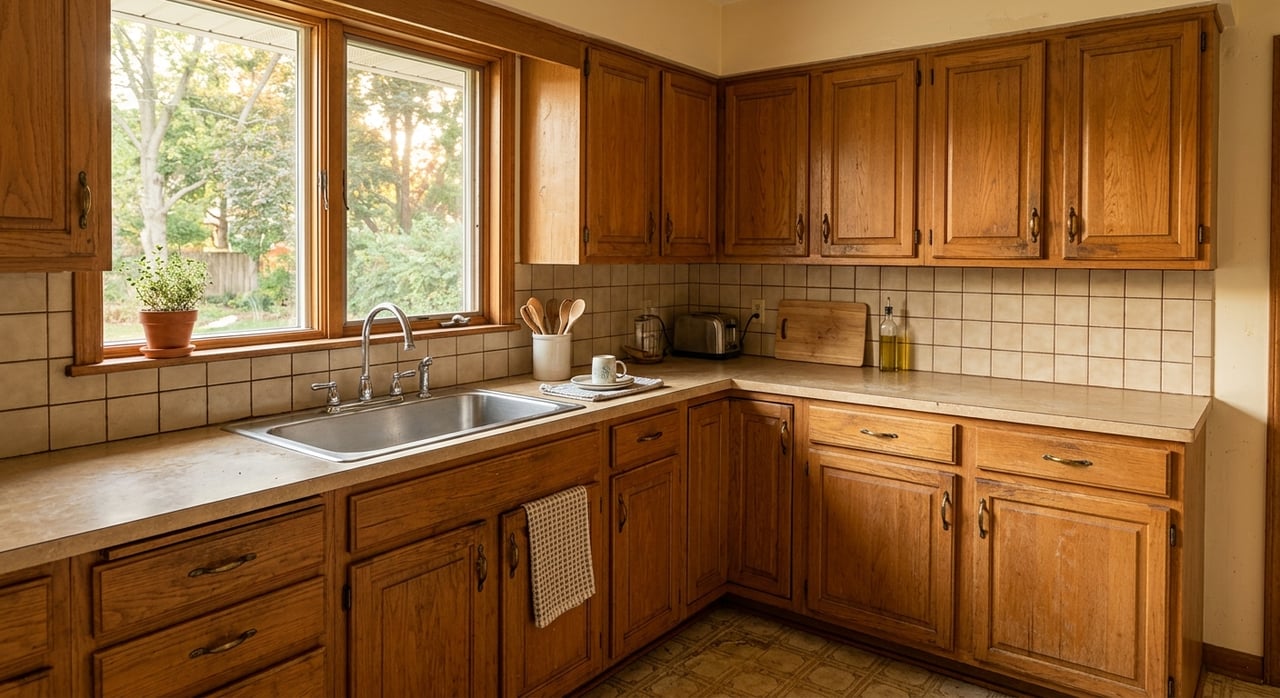
Wondering whether a fixer-upper in Prosser is a smart opportunity or an expensive surprise? In a smaller market with limited inventory, the answer often comes down to how well you evaluate the home before you buy it. If you are considering a value-add property in Prosser, this guide will help you look at the right numbers, spot practical renovation opportunities, and avoid common mistakes so you can move forward with more confidence. Let’s dive in.
Why Prosser stands out
Prosser is a relatively small market, and that matters when you are looking at fixer-uppers or investment potential. The city has an estimated population of 6,654 as of July 1, 2025, and city planning materials note a 2024 estimate of 6,610 residents within 4.30 square miles. That size can create tighter inventory and make each property’s location, condition, and repair scope especially important.
Housing data also shows a market where careful analysis matters. Census QuickFacts reports a 54.4% owner-occupied housing rate, a median owner-occupied home value of $314,000, median monthly owner costs with a mortgage of $1,604, and median gross rent of $944. Zillow reported a typical home value of $422,740 in Prosser as of April 30, 2026, with 42 homes for sale, 12 new listings, and a median list price of $558,167.
Those numbers point to a simple reality: you cannot assume every lower-priced home is a great deal. In Prosser, a successful fixer-upper is usually one where the renovation plan fits the local market instead of trying to force a property far beyond neighborhood expectations.
What makes a good fixer-upper
In Prosser, the strongest fixer-upper opportunities are often homes with visible, manageable repairs rather than homes hiding major structural or system issues. If a property has solid basics and a realistic improvement path, it may offer room to build equity without taking on unnecessary risk.
City planning materials also suggest that Prosser’s housing stock includes aging small single-family homes, while local demand continues to grow for lower-cost rentals and moderate-income homeownership. The same housing plan points to interest in housing types such as ADUs, duplexes, triplexes, townhomes, quad homes, and cottages. That is a helpful reminder that practical, efficient updates may align better with market demand than an oversized luxury remodel.
Look for good bones first
Before you think about paint colors or countertop choices, focus on the parts of the home that are hardest and most expensive to fix. A promising property often has:
- A stable foundation
- No major signs of moisture intrusion
- A roof with usable life left, or a replacement cost you can budget for clearly
- Functional systems that may be dated but still serviceable
- A layout that can improve without adding costly square footage
If the home needs everything at once, the numbers can get tight fast. In a smaller market like Prosser, that can make it harder to recover your renovation costs later.
Match the project to Prosser
Prosser is not the kind of market where over-improving is always rewarded. The city’s housing planning work points to a need for a wider range of practical housing options, including modest homes that serve everyday buyers and renters.
That means a clean, well-updated home with durable finishes may have broader appeal than a high-end remodel with features that push far above local norms. When you evaluate a project, think about what local buyers are likely to pay for, not just what would look impressive in photos.
Renovation priorities that make sense
The most practical renovations in Prosser are usually the ones that improve function, durability, and first impression at the same time. In many cases, these updates do more to support resale or rental appeal than flashy upgrades with a high price tag.
Focus on high-impact updates
For many fixer-uppers, these projects tend to be the most sensible places to start:
- Kitchen refreshes
- Bathroom updates
- New flooring
- Interior and exterior paint
- Curb appeal improvements
- Exterior repairs that reduce deferred maintenance
These updates can help a home feel cleaner, more move-in ready, and easier to maintain. That matters in a market with limited inventory, where buyers may still compare your finished product closely against current asking prices.
Prioritize durability in Prosser’s climate
Prosser’s local building criteria add another layer to renovation planning. The city’s building department lists severe weathering conditions, a 24-inch frost depth, winter design temperatures of 11 degrees Fahrenheit, and summer design temperatures of 101 degrees Fahrenheit.
That does not tell you exactly which upgrades will bring the highest return, but it does suggest where durability matters. Reliable HVAC, solid insulation, well-detailed windows, effective drainage, and exterior materials that hold up well in local conditions may deserve more attention than purely cosmetic changes.
How to evaluate the numbers carefully
A fixer-upper only works if the math works. In Prosser, conservative estimates are especially important because the market is smaller and the gap between home values, asking prices, and rents can leave less room for error.
Compare after-repair value to current pricing
When you estimate what a home could be worth after renovations, compare that figure to what buyers are currently paying or what nearby homes are listed for today. Do not assume every dollar you spend will show up in the final sale price.
Prosser’s data is a good reminder to stay grounded. With a typical home value of $422,740 and a median list price of $558,167 reported by Zillow, pricing can vary widely depending on the property. Condition, location, and scope of work can all change the outcome.
Keep rental projections realistic
If you are buying with rental income in mind, use local rent data as a guardrail. Census QuickFacts reports a median gross rent of $944 in Prosser. That does not mean every rental will fall at that number, but it does mean your projections should be based on local reality rather than best-case assumptions.
The same source reports median monthly owner costs with a mortgage of $1,604. For a light investor, that gap is a signal to watch renovation spending closely and avoid a budget that depends on unusually high rent just to make the property work.
Due diligence matters in Prosser
One of the biggest mistakes buyers make with fixer-uppers is treating due diligence like a formality. In Prosser, it is a core part of the decision.
Check permits before you close
Prosser’s building department states that permits are required for construction, enlargement, alteration, repair, moving, demolition, and replacement of electrical, gas, mechanical, or plumbing systems. Fences also require permits.
The city also notes that same-size window replacements that do not change the structure do not require a permit, while changes to the window opening do. If a home has had updates over time, it is worth checking whether the work was handled properly and whether your future plans will require approvals.
Confirm zoning and project fit
The city uses a public SmartGov system for building, planning, public works, and fire-related permits. Through that system, applicants can upload documents, respond to comments, pay fees, and request inspections.
The planning department also cautions that zoning can change rapidly and should be confirmed with staff. If you are considering an addition, exterior changes, a fence, or another value-add project, make that verification part of your pre-purchase review.
Understand rental requirements
If your plan is to hold the property as a rental, there is another local rule to know. Prosser’s Crime Free Rental Housing & Inspection Program applies to all rental properties within city limits, including single-family homes, duplexes, tri-plexes, four-plexes, and apartment buildings.
The city states that rental property owners must have a city-issued rental license and an inspection by the building department. That means rental compliance should be part of your investment planning from the start, not something you figure out after closing.
Do not skip property-level research
Beyond renovation costs, a smart purchase also depends on understanding the parcel itself. A fixer-upper with unclear boundaries, utility issues, or flood concerns can become much more expensive than it first appears.
Review taxes and property records
Benton County says properties are assessed at 100% of fair market value, and county property record tools can show parcel details, sales history, assessed value, and local sales data. Reviewing those records can help you better understand what you are buying and how the property has been valued over time.
The county treasurer states that property taxes are due by April 30, or in two halves by April 30 and October 31. Payment plans may also be available. Those timing details matter when you are building a realistic ownership budget.
Confirm utilities and boundaries
Prosser operates city water and wastewater systems inside the city. Before closing, it is smart to confirm service availability, utility transfer timing, and any capital charges tied to the property.
For lot lines, the city says it can provide general property-line information, but exact boundaries require a surveyor and a record survey. If fencing, additions, or site changes are part of your plan, that extra step can protect you from costly surprises.
Check flood risk when relevant
If the property is near the Yakima River or another low-lying area, flood risk should be part of your evaluation. Location-specific flood hazard information can affect insurance needs, repair costs, and future resale considerations.
That does not mean every nearby property is a problem. It just means the location needs to be checked carefully before you finalize your numbers.
A simple Prosser fixer-upper checklist
If you want a practical way to evaluate a home before making an offer, start here:
- Compare the asking price to local condition and value trends
- Estimate repair costs conservatively
- Focus on structural condition, roof, moisture, and major systems
- Evaluate whether the layout can improve without a large addition
- Check permit history for past work
- Confirm zoning and planned-use compatibility with the city
- Review rental licensing and inspection requirements if you plan to rent it
- Verify taxes, utility status, and parcel details
- Look at flood risk if the location calls for it
- Make sure the finished product will align with what Prosser buyers or renters are likely to pay for
The bottom line on Prosser opportunities
In Prosser, the best fixer-upper opportunities are usually not the cheapest houses on the market. They are the properties with the right mix of location, structure, utility access, manageable repairs, and a renovation scope that fits local demand.
If you are thinking about buying a fixer-upper or value-add property in Prosser, it helps to have someone in your corner who can talk through the numbers, the potential, and the risks in a practical way. If you want one-on-one guidance as you evaluate homes in Prosser and the surrounding Tri-Cities area, schedule a consultation with Kelsie Knight.
FAQs
What should you look for in a fixer-upper in Prosser?
- Focus on good bones first, including foundation condition, moisture issues, roof life, major systems, and a layout that can improve without major expansion.
What renovations are most practical for Prosser homes?
- In many cases, kitchen and bath refreshes, paint, flooring, curb appeal, and exterior repairs offer a practical balance of function, durability, and market appeal.
Do Prosser fixer-upper projects need permits?
- Yes, many do. The city says permits are required for a wide range of work, including alterations, repairs, and system replacements, so project scope should be checked before closing.
What should rental property buyers know in Prosser?
- If the property will be used as a rental within city limits, the city says owners need a rental license and an inspection through Prosser’s rental housing program.
How can you evaluate investment potential in Prosser conservatively?
- Use current local pricing, realistic repair estimates, and local rent figures as guardrails so your plan is based on market conditions rather than optimistic assumptions.