Wondering whether a West Richland fixer-upper is a smart opportunity or a money pit? In a market where home values are relatively high, finding a property with real upside can feel exciting, but it can also be hard to tell the difference between a home that needs simple updates and one hiding expensive problems. If you are hoping to build equity, personalize a home, or find a value-add opportunity, knowing what to look for can help you move forward with more confidence. Let’s dive in.
Why fixer-uppers look different in West Richland
West Richland is a growing, mostly owner-occupied market. Census QuickFacts estimates the 2024 population at 18,820, with an 83.4% owner-occupied housing rate and a median owner-occupied home value of $448,300. Redfin also reported a March 2026 median sale price of $479,000.
Those numbers matter because they shape the kind of fixer-upper opportunities you are most likely to see. Based on the city’s older housing-stock data, more than 63% of homes were built after 1990, and single-family homes made up 79% of the housing stock by 2006. In practical terms, that often points to cosmetic or light value-add projects rather than very old homes needing full-scale rehabilitation.
That does not mean every home will be simple to update. It just means many of the better opportunities in West Richland may come from homes with dated finishes, worn surfaces, or older design choices instead of severe age-related issues.
What “good bones” really means
You will hear the phrase “good bones” often when people talk about fixer-uppers. In real life, that usually means the home’s major systems and structure appear serviceable, while the style and finishes need work.
In Washington, a licensed home inspector performs a visual, noninvasive inspection of readily accessible parts of the home. That includes the roof, foundation, exterior, structure, plumbing, electrical, heating and cooling systems, plus certain fire and safety hazards. This gives you an important screening tool, but it is not the same as a repair estimate or a full specialist review.
Washington rules also make clear that a general home inspection does not require the inspector to identify hidden defects, estimate remaining service life, calculate repair costs, confirm code compliance, or evaluate environmental hazards and underground items. So if a home seems to have “good bones,” that should be the start of your due diligence, not the end of it.
Signs a home may be a strong candidate
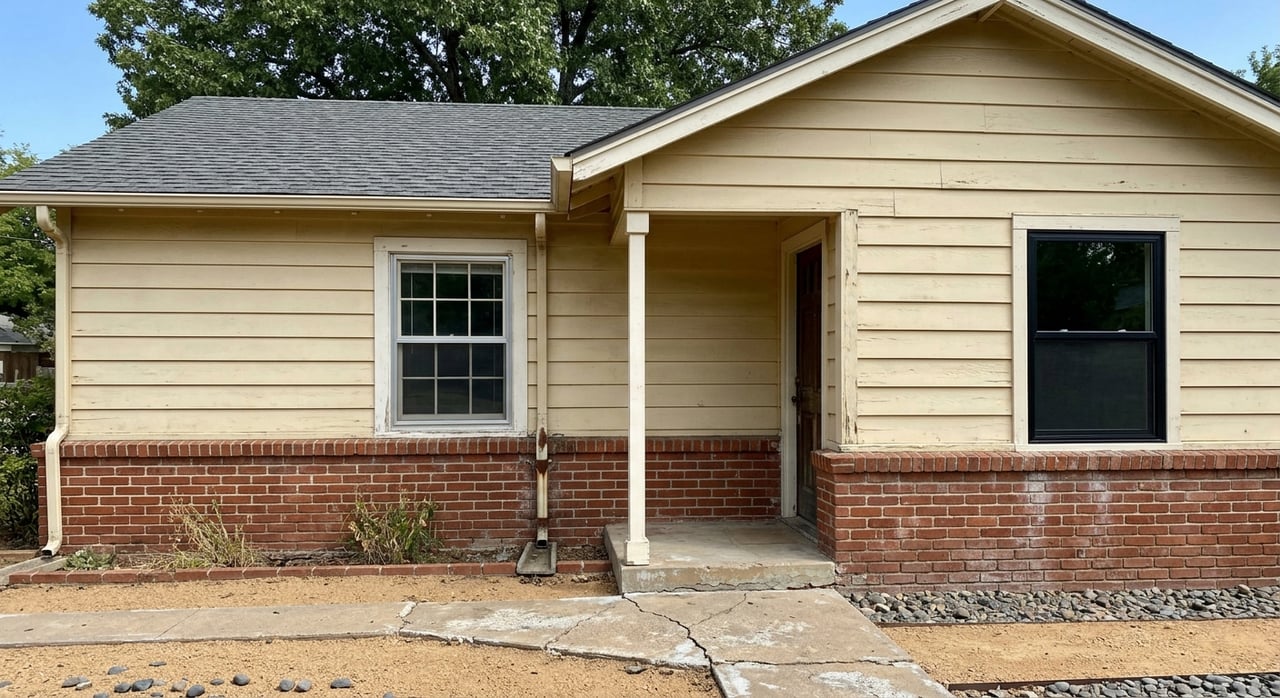
The best fixer-upper opportunities often have problems you can clearly see and plan for. Cosmetic issues are usually easier to budget than hidden system failures.
Look for homes with features like these:
- Dated paint colors or wallpaper
- Older carpet or worn flooring
- Outdated light fixtures or hardware
- Tired cabinets or countertops
- A layout that works but feels visually behind the times
- Bathrooms or kitchens that need refreshing more than full relocation
These kinds of updates can make a big visual difference without automatically turning into a major construction project. In West Richland, many finish-focused improvements like painting, carpeting, cabinets, countertops, tiling, and similar cosmetic work usually do not require a building permit.
That can make a home more appealing if your goal is to improve appearance, function, and value without getting pulled into a long permit-heavy timeline.
Red flags that deserve a closer look
Some issues are more than cosmetic and can change the whole math of the purchase. If you notice signs of deeper trouble, it is worth slowing down and getting more information.
Pay close attention to concerns like these:
- Moisture intrusion or water staining
- Uneven or sloping floors
- Cracks that suggest possible structural movement
- A questionable or outdated electrical panel
- Drainage problems around the home
- Signs the roof may be near the end of its life
- Heating or cooling systems that may need replacement
- Exterior neglect that suggests deferred maintenance
West Richland’s code-enforcement information also notes nuisance issues such as weeds over 6 inches, junk vehicles, and dilapidated structures. While those issues do not tell you everything about a property, visible exterior neglect can be a clue that maintenance has been deferred in other areas too.
Know the difference between cosmetic and permit work
One of the smartest ways to evaluate fixer-upper potential in West Richland is to separate easy updates from projects that trigger permits, inspections, and more time.
According to the city’s permit tip sheet, work that usually does not require a building permit includes:
- Painting
- Papering
- Tiling
- Carpeting
- Cabinets
- Countertops
- Similar finish work
- Bathroom and kitchen fixture swaps without plumbing line modifications
That is helpful if you are searching for a home where you can make noticeable changes quickly.
Projects that usually do require permits in West Richland include:
- Interior remodels
- Tub or shower replacement
- Water heater installation
- Furnaces
- Air conditioners
- Heat pumps
- Exterior doors
- Windows
- Skylights
- Reroofing
- Fireplaces or wood-burning inserts
- Accessory dwelling units
- Larger or attached decks
- Retaining walls over 4 feet
Even when a permit is not required, the work still needs to meet code, and land use and zoning rules still apply. That is why it helps to look at a fixer-upper not just for style potential, but for project scope.
Septic, sewer, and utility details matter
In West Richland, one important question is whether the property uses city sewer or private septic. That detail can affect inspections, maintenance planning, and future repair costs.
The city’s residential permit application asks whether a property is on sewer or septic, and the Benton-Franklin Health District oversees permitting, design oversight, and inspection of many on-site septic systems. Washington home inspection rules also say general inspectors do not determine the quality or condition of on-site sewage systems or private wells.
So if you are considering a septic property, plan on extra due diligence. Ask for existing records, system evaluations, and any available mortgage certifications or prior inspections. A separate septic specialist evaluation is often the right next step when you need a clearer picture.
Older homes need a few extra checks
Because much of West Richland’s housing stock is newer, truly older homes may stand out to buyers looking for a unique opportunity. If a home was built before 1978, there are a few added items to keep on your radar.
Homes built before 1978 are more likely to contain lead-based paint. Renovation or repair work can create hazardous lead dust, which is why lead-safe planning matters before starting updates. For most pre-1978 sales, federal law also requires lead disclosure and gives buyers a 10-day period to conduct a paint inspection or risk assessment.
Radon is another item worth understanding. The Washington Department of Health says testing is the first step because radon cannot be seen, smelled, or tasted. The only way to know whether a home has elevated radon levels is to test for it.
Build your fixer-upper checklist
If you want to evaluate a West Richland fixer-upper with more confidence, keep your attention on the items most likely to affect budget and timeline.
Start with the big-ticket systems:
- Roof
- Structure and foundation
- Drainage
- Plumbing
- Electrical
- Heating and cooling
- Septic or well status, if applicable
Then look at the project through a second lens: what needs specialist input, and what is mostly aesthetic? A house with ugly flooring and dated cabinets may still be a strong opportunity. A house with water issues, electrical concerns, and septic uncertainty may require a much larger margin in your budget.
Bring in specialists before you guess
A general home inspection is important, but it should not be your only source of information when bigger concerns show up. Since inspectors are not required to estimate repair methods or costs, you will want separate bids when the inspection points to major work.
That may include roofers, electricians, plumbers, septic contractors, or engineers, depending on the issue. Washington Labor & Industries also recommends getting at least three written bids and comparing them carefully.
Contractor vetting matters too. L&I says homeowners can use its Verify tool to check contractor registration, workers’ compensation status, safety citations, lawsuits against a bond, and whether a tradesperson is certified. That is especially important for electrical projects, since Washington requires permits and inspections for electrical work.
Ask for records, not just reassurance
When you are excited about a home’s potential, it is easy to focus on the fun part: paint colors, flooring ideas, and future before-and-after photos. But the smarter move is to ask for documentation early.
For septic properties, ask for Benton-Franklin Health District records and any existing system evaluations. For older homes, ask for required lead disclosures and any relevant renovation details. For homes with signs of drainage or exterior problems, remember that poorly handled repairs can affect foundations and septic fields, so these issues are best addressed before cosmetic upgrades.
The sweet spot in West Richland
In many cases, the most attractive fixer-uppers in West Richland are not the most dramatic ones. They are the homes with a functional layout, manageable cosmetic updates, and no major surprises tied to septic, roofing, electrical, or lead-related concerns.
That is often where the real opportunity lives. You get room to improve the look and feel of the home, while keeping a closer handle on cost, timeline, and stress.
If you are thinking about buying a fixer-upper in West Richland, having one-on-one guidance can make a big difference. Kelsie Knight can help you sort through the options, spot value-add potential, and approach the process with a practical plan.
FAQs
What makes a home a good fixer-upper in West Richland?
- A strong candidate often has a functional layout and mostly cosmetic issues, such as dated finishes, old flooring, worn fixtures, or tired kitchens and bathrooms, without obvious signs of major system failure.
What should you inspect first in a West Richland fixer-upper?
- Start with the roof, structure, drainage, plumbing, electrical, heating and cooling, and septic or well status if the property is not connected to city sewer.
What renovations usually do not need permits in West Richland?
- Painting, papering, tiling, carpeting, cabinets, countertops, similar finish work, and some bathroom or kitchen fixture swaps without plumbing line changes usually do not require a building permit.
What projects usually require permits in West Richland?
- Interior remodels, tub or shower replacement, water heaters, furnaces, air conditioners, heat pumps, windows, exterior doors, reroofing, fireplaces, ADUs, some decks, and retaining walls over 4 feet usually require permits.
Why does septic matter when buying a West Richland fixer-upper?
- A general home inspector does not determine the quality or condition of an on-site sewage system, so septic properties need separate records review and a specialist evaluation.
What should you know about older West Richland homes built before 1978?
- Pre-1978 homes may contain lead-based paint, so buyers should review required lead disclosures and consider lead-safe renovation planning before starting repair or remodeling work.
How do you check contractors for a West Richland renovation project?
- Washington Labor & Industries says you can use its Verify tool to confirm contractor registration, workers’ compensation status, safety citations, bond-related lawsuits, and certain trade certifications.