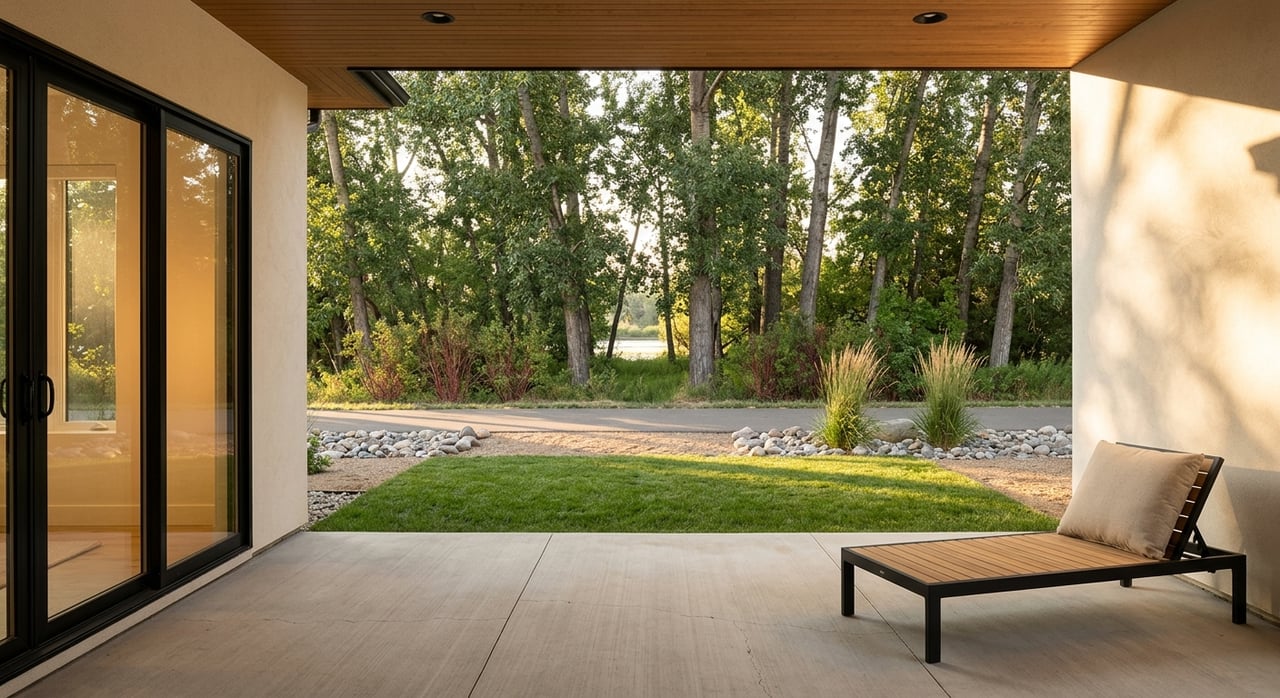
If you are wondering what daily life in Richland feels like near the water, the short answer is this: the river is not just a backdrop here. It shapes how you spend your free time, where people gather, and even how some of the city’s most recognizable neighborhoods took shape. If you are thinking about moving to Richland, this guide will help you understand the lifestyle, housing feel, and everyday rhythm of living by the river. Let’s dive in.
Richland’s river lifestyle
Living in Richland by the river often means the Columbia River is part of your normal routine, not just a weekend destination. The city itself points to the Columbia River, Yakima River, and Amon Wasteway as important parts of Richland’s identity, and local utilities are tied closely to that landscape as well. According to the City of Richland, water has both practical and lifestyle value in the community.
Richland also feels more balanced than overly urban or rural. Census QuickFacts estimates the population at 64,372 in 2024, with 25,216 households, a 64.4% owner-occupied housing rate, and a mean commute time of 20.4 minutes. That points to a city where you can enjoy amenities, outdoor access, and neighborhood variety without the pace of a large metro core.
Outdoor access is part of daily life
One of the biggest draws of living near the river in Richland is how easy it is to get outside. You do not need to plan a full day trip to enjoy the water, trails, or parks because many of those spaces are woven into the city’s layout.
Sacagawea Heritage Trail
The Sacagawea Heritage Trail is one of the area’s standout features. Visit Tri-Cities describes it as a 23-mile paved, multi-use trail running through Richland, Kennewick, and Pasco, with access points that include Richland Riverfront and Columbia Point Marina Park. It is mostly flat and used year-round for walking, running, biking, and casual recreation.
For many buyers, that kind of access matters because it supports a low-key, active routine. You can head out for a quick walk, a bike ride, or an evening by the water without leaving town.
Parks along the river
Richland’s park experience also leans heavily on the waterfront. The City of Richland adventure page highlights Leslie Groves Park as a river-parallel park with a swimming area, playground, beach volleyball court, and covered shelters.
The city also points to Columbia Point Marina Park and Columbia Park West as favorite places to catch sunset views. Along the broader river corridor, visitors can also find picnic areas, restrooms, playgrounds, and shaded seating, which makes these spaces practical for everyday use and not just special occasions.
Community life happens in public spaces
If you picture a city with a dense downtown nightlife core, Richland may feel different than expected. Its community rhythm is more tied to parks, plazas, public art spaces, and walkable gathering areas.
Arts and music in everyday places
The City of Richland’s art and music page shows how culture is spread through places like the Parkway, Howard Amon Park, the Uptown Shopping Center, and the public library. Recurring offerings include Gallery in the Park, Market in the Parkway, monthly Uptown Art Walks, Richland Players Theater, and Live@5.
That gives the city a relaxed, community-based feel. Instead of needing one entertainment district to define local life, Richland uses familiar public spaces to bring people together.
A seasonal event calendar
Richland also has a strong calendar of recurring events. The city’s signature events page includes the farmers market, Cool Desert Nights, Party in the Park, outdoor movies, Tumbleweed Music Fest, Sausage Fest, Ironman Tri-Cities, and winter programming.
In practical terms, that means warmer months often bring more activity to parks and open-air venues. If you enjoy a city where community events feel accessible and casual, that is a meaningful part of the Richland lifestyle.
River-adjacent neighborhoods have historic character
One of the most interesting parts of Richland by the river is its historic housing story. If you like neighborhoods with established streets, original architecture, and a connection to the city’s early development, this area stands out.
Alphabet Houses and Richland history
The National Park Service explains that Richland’s Alphabet Houses were built during the Manhattan Project using 22 unique floor plans, with many designed as duplexes. The homes were built quickly to house workers, and the finished designs used Dutch or Colonial Revival styling.
Today, that history still shapes the feel of older river-adjacent areas. These neighborhoods often appeal to buyers who want something with more personality than a standard newer build.
Gold Coast and the older core
The Gold Coast Historic District adds another layer to the river housing story. The National Park Service says these homes were constructed in 1949 near the Columbia River, with larger and more expensive homes than earlier Richland housing and a standardized, minimalist architectural style.
This area is also closely connected to places like the Parkway, the Uptown, and the riverfront park system. That helps explain why the older core feels especially walkable and distinct within the larger city.
Newer neighborhoods offer a different feel
Richland is not only historic riverfront housing. If you want a newer home, a more suburban layout, or a planned-community setting, you will find that too.
The Badger Mountain Subarea Plan describes Badger Mountain South as a 1,480-acre master-planned community intended to include 5,000 homes, businesses, and other community activities. That is a very different experience from the historic river core.
This contrast is one of Richland’s strengths. You can explore older homes near the water with established character, or you can look farther out for newer neighborhoods with a broader suburban feel.
What the housing mix feels like
Richland’s housing stock is more varied than many buyers expect. In addition to detached homes, city materials also reflect a mix that includes townhouses, condominiums, duplexes, tri-plexes, and four-plexes.
That variety can be helpful if your goals are still taking shape. You may be looking for a first home close to established areas, a move-up property with more space, or a home with renovation potential in an older part of town.
For some buyers, the older river-adjacent housing may also create opportunities to look at layout updates, cosmetic improvements, or long-term value-add potential. If that is your style, having one-on-one guidance can make it easier to weigh charm, location, and project scope realistically.
Helpful facts for buyers considering Richland
If you are comparing Richland with other Tri-Cities areas, a few numbers help frame the market. Census QuickFacts lists a median home value of $436,700 and a median gross rent of $1,468.
For eligible first-time buyers, the city also offers a Homeownership Assistance Program with up to $10,000 in down-payment assistance for low- to moderate-income buyers. The same city page notes an Owner-Occupied Rehabilitation Program for eligible single-family homeowners who need help addressing code and safety issues.
Programs like these will not define every home search, but they can be useful if you are exploring older housing stock or trying to understand what support may be available.
Who tends to enjoy living here
Richland by the river can be a great fit if you want a lifestyle that feels active, scenic, and steady. The city offers trails, parks, public events, and established neighborhoods, while still maintaining the convenience of a mid-sized community.
You may especially like this area if you want:
- Easy access to walking and biking trails
- Parks and river views built into everyday life
- A mix of historic homes and newer neighborhoods
- Community events in outdoor public spaces
- A city that feels stable and approachable
The biggest appeal is often the blend. Richland gives you natural beauty, local history, and practical daily convenience in one place.
Thinking about a move to Richland?
If you are considering a move to Richland, it helps to look beyond listings and think about how you want your day-to-day life to feel. Some buyers are drawn to the historic charm and walkability near the river, while others prefer newer neighborhoods with a different layout and pace.
That is where local guidance matters. Whether you are buying your first home, relocating within the Tri-Cities, or trying to spot a home with good value-add potential, Kelsie Knight offers one-on-one support to help you compare areas, understand your options, and move forward with confidence.
FAQs
What is daily life like near the river in Richland?
- Daily life near the river in Richland often includes easy access to trails, parks, open views, and community gathering spaces, with the Columbia River playing a visible role in recreation and city identity.
What outdoor activities are available in Richland by the river?
- River-adjacent Richland offers walking, running, biking, park visits, picnic areas, swimming access in some park spaces, and year-round use of trails like the Sacagawea Heritage Trail.
What types of homes are near the river in Richland?
- Near the river in Richland, you are more likely to find historic housing such as Alphabet Houses, duplexes, mid-century homes, and established neighborhoods with a distinct architectural identity.
How is riverfront Richland different from newer Richland neighborhoods?
- Riverfront Richland tends to have older, more historic and walkable neighborhoods, while newer areas like planned communities farther out offer a broader suburban feel and newer housing options.
Are there homebuyer assistance programs in Richland?
- Yes. The City of Richland states that eligible first-time buyers may qualify for up to $10,000 in down-payment assistance, and some homeowners may qualify for rehabilitation support through city programs.